With harsh summer droughts, water restrictions, and sky-high council utility bills across Australia, synthetic artificial turf has evolved from a budget alternative into a premier, water-saving architectural feature. In this comprehensive 2026 guide, ShopZone landscape specialists analyze yarn polymers (PE vs PP), pile heights from 25mm to 40mm, UV stabilization against intense Australian solar radiation, and specialized pet drainage systems.
📑 Table of Contents • Quick Navigation
- The Australian Climate Reality: Water Conservation & Year-Round Green
- Yarn Morphology: C-Shape, W-Shape & Diamond Blade Resilience
- Pile Height Breakdown: 25mm vs 30mm vs 40mm Deluxe
- UV Stabilization & Extreme Australian Solar Resilience
- Pet Turf Architecture: Drainage Holes, Odour Control & Hygiene
- Sub-Base Foundation Engineering: Crushed Rock, Sand & Geo-Textile
- Artificial Turf Comparison Matrix (Density, Dtex, Backing)
- Heat Mitigation Techniques: Silica Sand Infill & Shading
- Environmental & Australian Standards Compliance
- Frequently Asked Questions (FAQ)
1. The Australian Climate Reality: Water Conservation & Year-Round Green
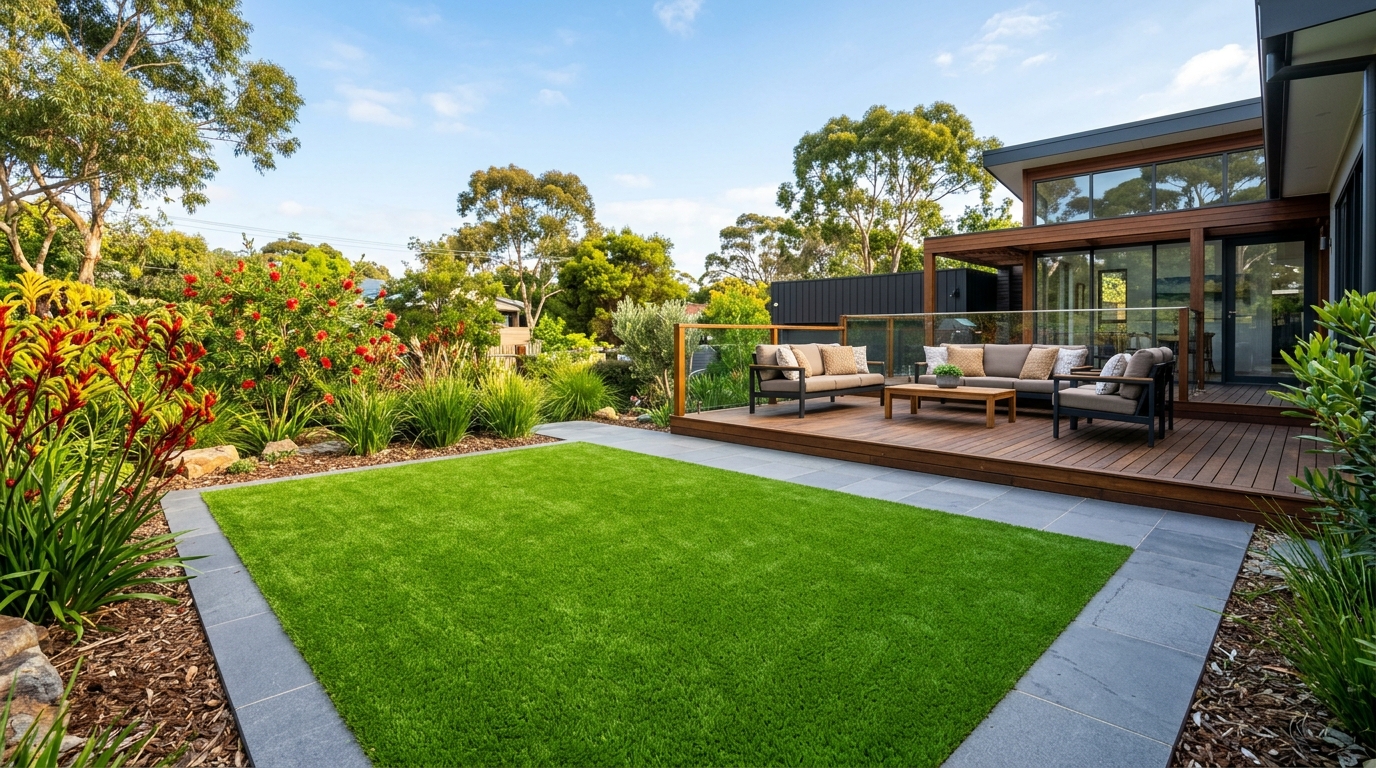
Maintaining a genuine natural lawn across Adelaide, Perth, or western Sydney during January heatwaves consumes thousands of liters of water weekly, only to end up dry and brown by February. High-density synthetic grass provides a vibrant, zero-mow, zero-fertilizer evergreen lawn that requires only an occasional rinse.
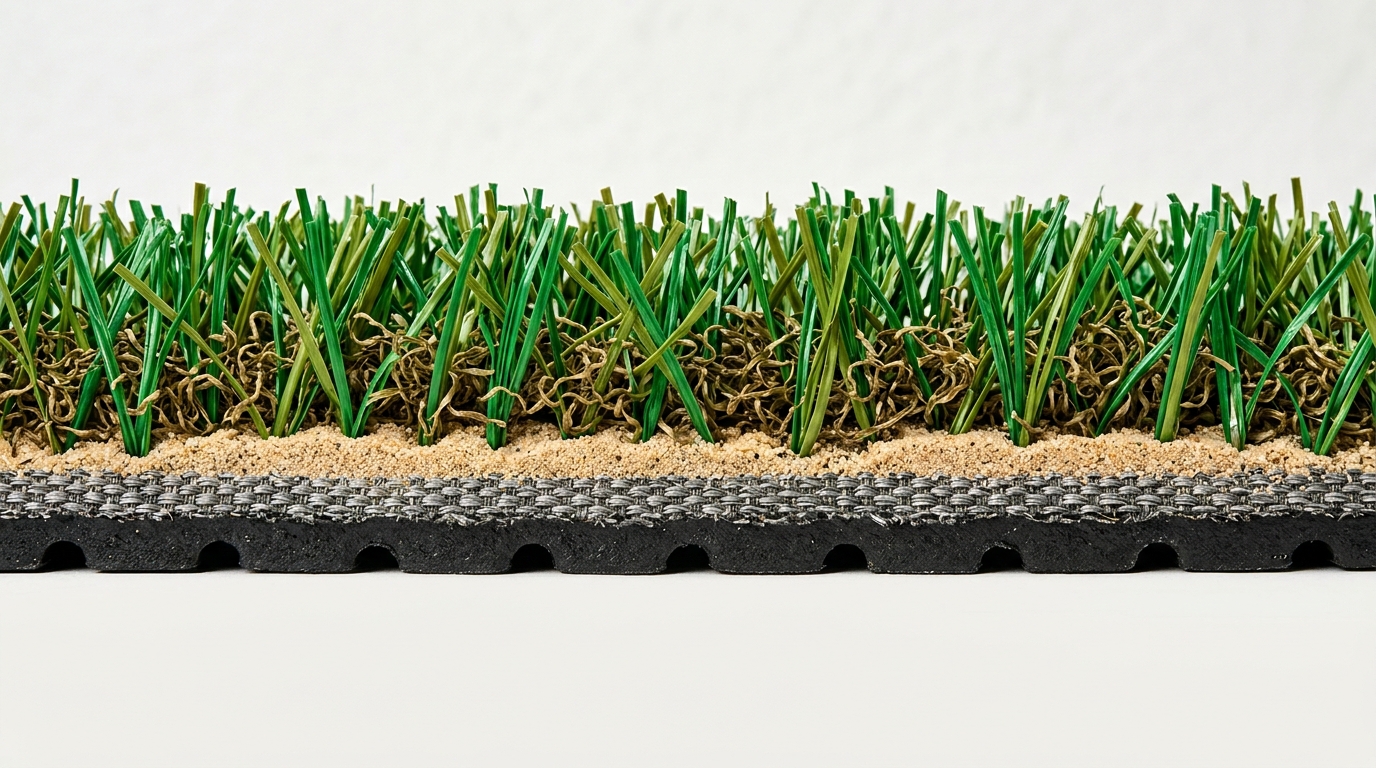
Figure 1: Macro cross-section teardown of 4-tone poly-yarns, curly tan thatch layer, silica sand infill, and heavy-duty reinforced latex backing with punched drainage holes.
2. Yarn Morphology: C-Shape, W-Shape & Diamond Blade Resilience
Flat plastic blades mat down permanently after being walked on for a few months. Premium 2026 synthetic grasses utilize engineered blade profiles:
- C-Shape & Stem Blades: High memory retention that springs back upright immediately after foot traffic.
- W-Shape Blades: Disperses solar energy across multiple angles, lowering surface temperatures by up to 10°C compared to flat tape yarns.
- Curled Thatch Layer: Textured polypropylene thatch that mimics natural undergrowth while supporting blade rigidity without excessive infill.

4-Tone UV-Stabilized Realistic Synthetic Grass (30mm & 40mm)
Featuring lead-free non-toxic poly fibers, 4-color blend with natural thatch, high-flow drainage perforations, and extreme UV rating tested for Australian conditions. Safe for children and dogs.
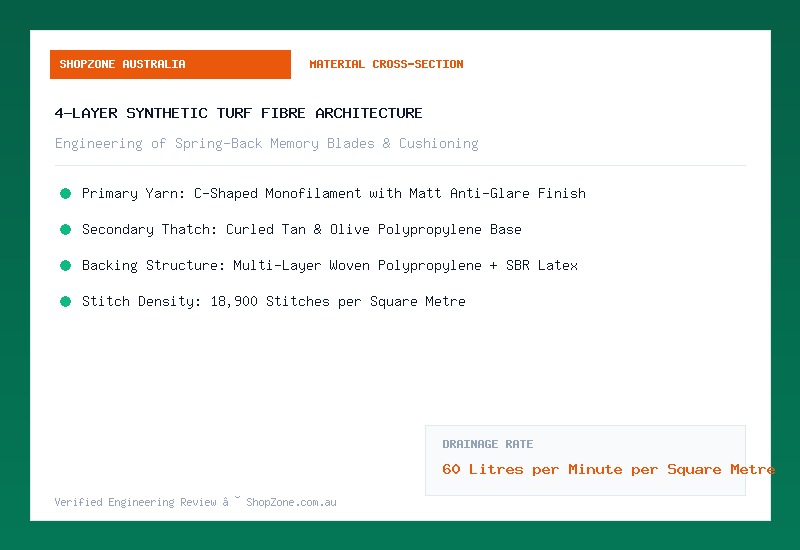
Figure 2: ShopZone technical comparison card detailing pile height suitability, stitch rates, and Dtex density ratings.
5. Pet Turf Architecture: Drainage Holes, Odour Control & Hygiene
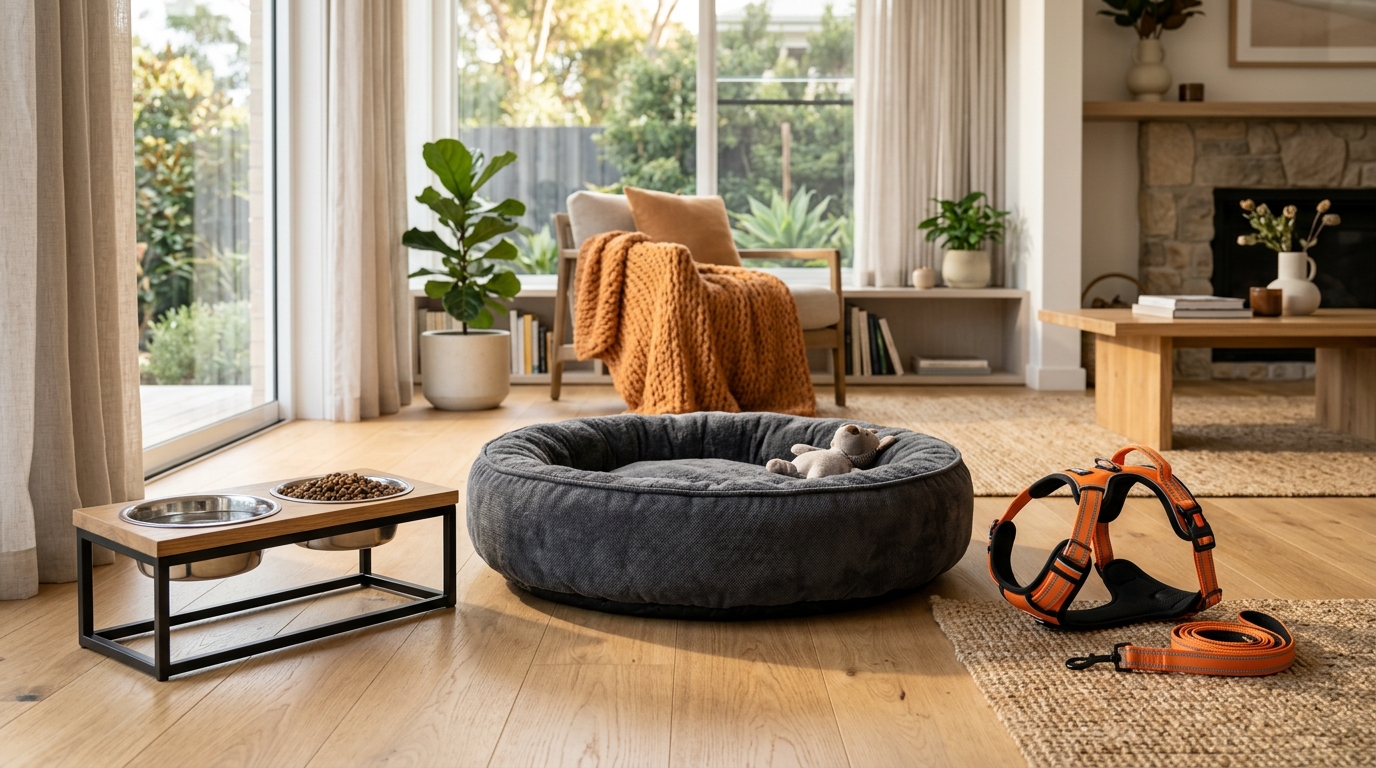
Dog owners frequently worry about unpleasant urine odour and drainage stagnation. Modern synthetic turf incorporates evenly spaced perforations discharging in excess of 60 liters per square meter per minute. Utilizing antibacterial organic zeolite infill captures ammonia molecules before they vaporize into foul smells.
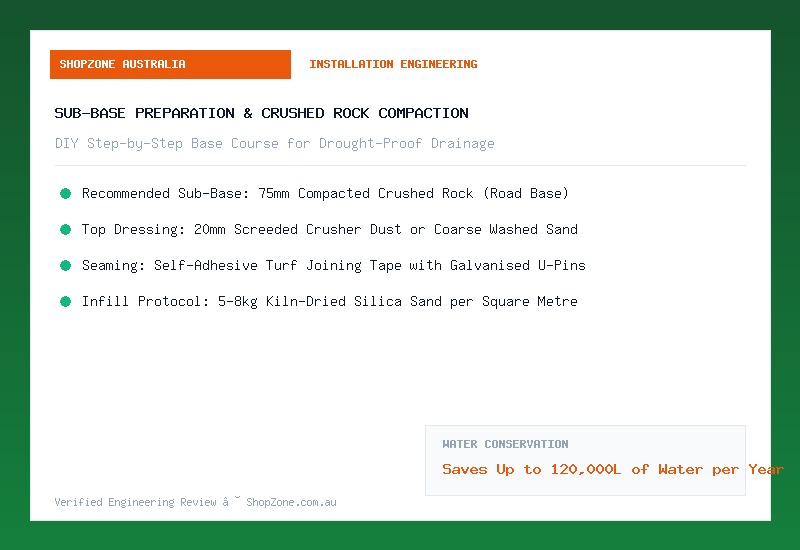
Figure 3: ShopZone engineering blueprint for sub-base road base, crusher dust, and geo-textile weed barrier installation.
7. Artificial Turf Comparison Matrix
Recommended Reading & Authoritative Sources:
- View available roll lengths: ShopZone Synthetic Artificial Grass Collection.
- Explore balcony transformations: Read our Ultimate Balcony Living & Turf Tiles Guide.
- Solar Radiation Guidance: ARPANSA Australian Ultraviolet Index & Sun Protection Data.
10. Frequently Asked Questions (FAQ)
Synthetic fibers absorb heat in direct midday 38°C sun. Installing shade sails or giving the lawn a 30-second hose down drops the surface temperature by 15°C instantly.
When laid on a compacted crushed-rock base over a non-woven commercial geo-textile weed membrane, subterranean weed growth is virtually 100% eliminated.